
Gait Analysis / Biomechanical Assessment
Biomechanical Assessments are an Analysis of Gait (Walking) and Foot Function.
All of our Podiatrists are registered with AHPRA and fully qualified to provide the best possible outcomes for all of our patients. During the initial biomechanical assessment, we will run through a series of questions to determine the impact of your problem, how it is affecting your overall health and what we can do to rectify the problem to get you happily back on your feet.
What Happens During a Consultation
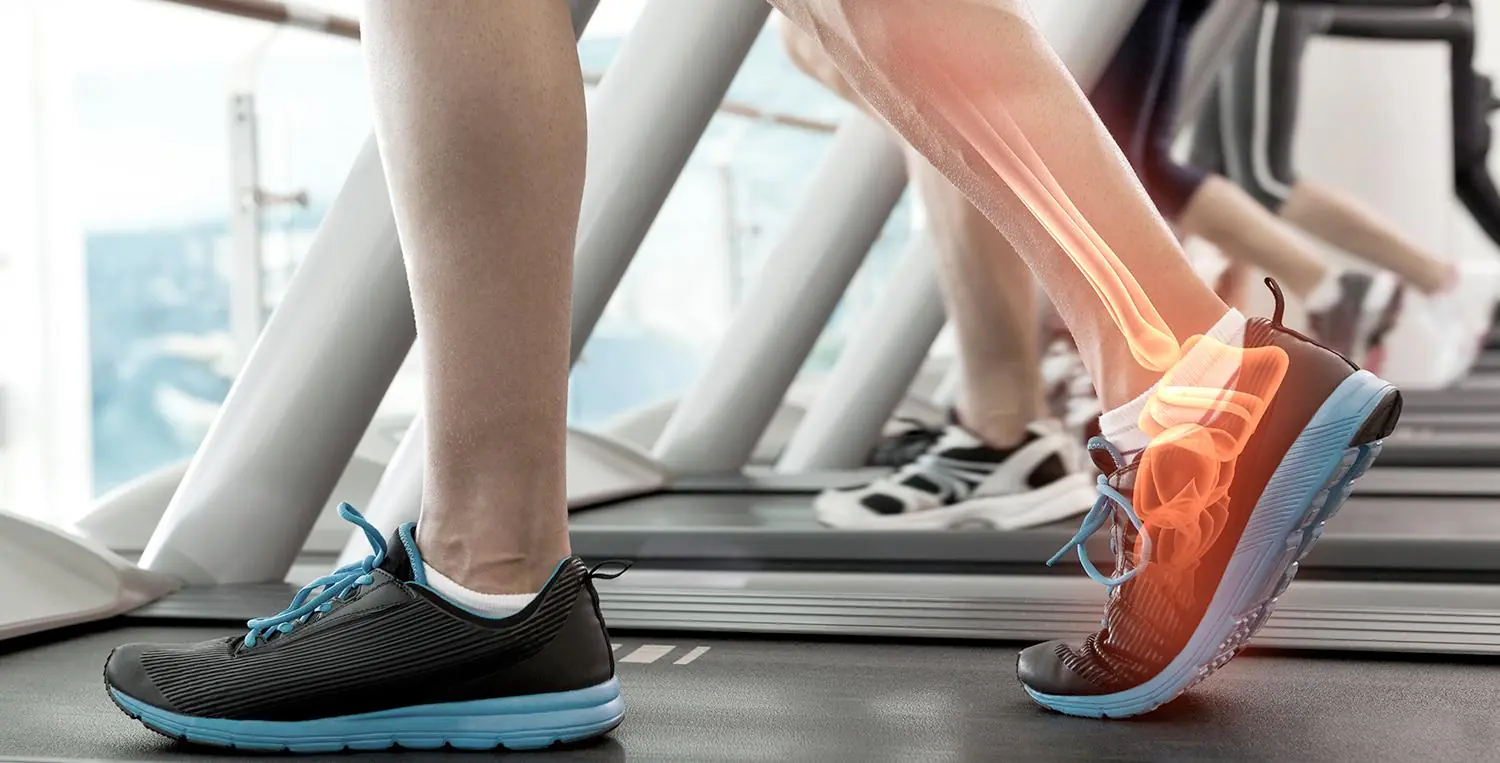
During the consultation we will perform a range of lower limb and foot tests to assess the joints, muscles and tendons/ligaments. Then we perform a gait (walking) analysis where we look at foot function, structure and behaviour and how this may be affecting the ankles/knees/hips/back. It’s all connected so we need to check it all out! If you have any reports, old orthotics/insoles, referrals, please bring them in. Also, please bring 2-3 pairs of shoes that you commonly wear (walking/running shoes + work shoes are a good idea). We can assess whether your shoes are right for your foot type and also check the wear patterns on the shoes. If the podiatrist recommends orthotics, there are a variety of devices to choose from. Once the script has been decided by the podiatrist they will discuss the options for your foot type and your presenting problem(s).
Who Gets a Biomechanical Assessment
Biomechanical Assessments are commonly performed on people with heel/arch pain, ball-of-foot pain, Achilles problems, knee pain, shin splints, flat feet, in-toed or out-toed children, unexplained foot pain and bunions. Also, if you have had your problem for more than 3 months, please see our information on DRY NEEDLING as this may be a suitable treatment modality for your foot problem. If you have more questions, please jump on the phone as we welcome your call! Otherwise if you prefer, you can book your Biomechanical Assessment ONLINE
No Referral Needed!
Look After Your Feet!